It’s winter storm season, and that means people are shoveling their sidewalks, calling out of work and melting bars from Kakao Chocolate to make the perfect hot cocoa for a chilly day. During all of these winter moments, it’s important to understand how cold weather can affect your hearing aids, and what you can do to keep them functioning well.
Three Challenges Cold Weather Poses To Hearing Aids
An estimated 28.8 million U.S. adults could benefit from hearing aids. Learning how to care for them is essential in reaping those benefits. A winter storm, like the one we’ve seen most recently, may affect your hearing aids in the following ways:
- Draining battery performance. Just like your car battery might die faster in the winter, you may notice that your hearing aids deplete a little faster when you spend time outdoors.
- Wind noise. The winter wind can interfere with the sound of your hearing aids, potentially causing them to whistle.
- Condensation. Moving from the ice outdoors to a warm, cozy indoor environment can cause condensation to build up on your devices.
Protecting Your Hearing Aids
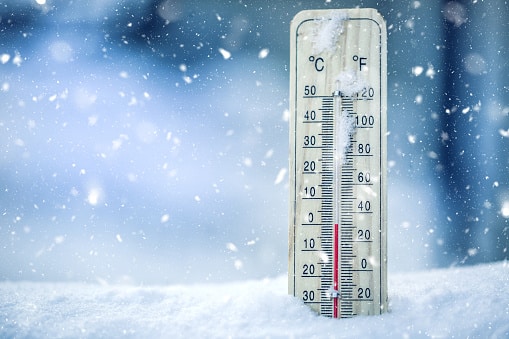
There are a few ways you can protect your hearing aids from winter performance issues:
- Wear a headband or hat. Covering your hearing aids with a headband or hat will help prevent battery drain, as the heat generated between your head and the hat will keep them warmer. The covering will also help reduce wind noise.
- Store hearing aids away from the cold. Avoid storing your hearing aids on windowsills, in your car or anywhere in your house that the heating doesn’t reach.
- Pack extra batteries. If you’re going out for the day, keep a set of extra batteries on your person just in case your hearing aids drain faster than you thought. Remember to charge your case to 100% if your devices use rechargeable batteries.
- Clean hearing aids nightly. Just because you might not be sweating much during a winter storm, that doesn’t mean you should skip nightly hearing aid care. Clean your devices every night to remove wax buildup, debris and moisture.
By following the above tips, you can ensure better hearing aid performance, even when the weather goes topsy-turvy. For more information on caring for your devices or to schedule a service & repair appointment, contact Center for Hearing & Speech today.